
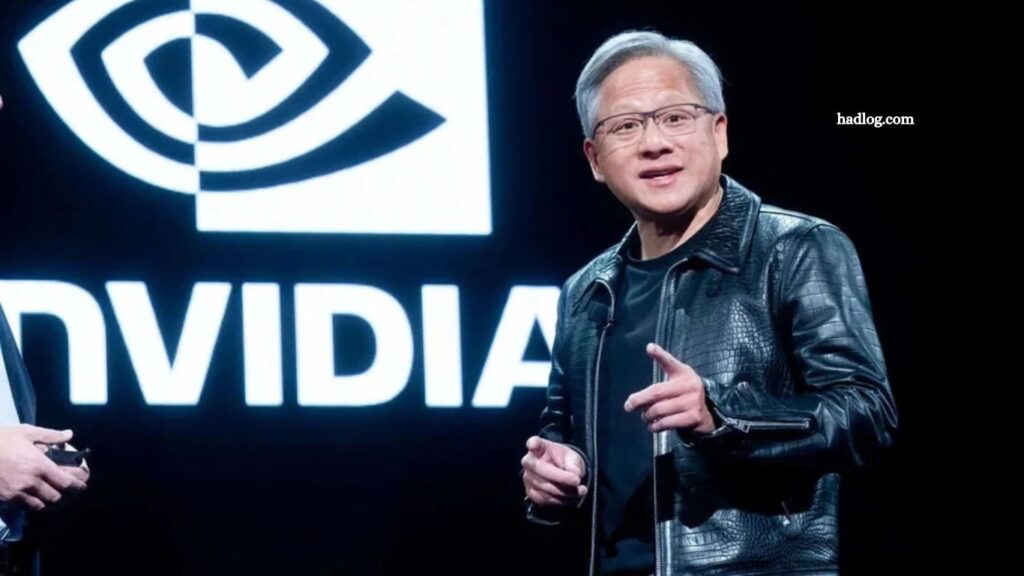
Nvidia has unveiled its GeForce RTX 5090 and 5080 GPUs, featuring enhanced AI capabilities, advanced video encoding, and increased memory bandwidth. As AI and content creation tools grow more sophisticated, demand for high-performance graphics processing has surged.
Modern content creators need hardware capable of handling multiple high-resolution video streams, running complex AI models, and performing real-time video encoding for live streaming. This demand drives GPU manufacturers to produce specialized hardware for AI-accelerated workflows, catering to video editors, 3D artists, and streaming professionals.
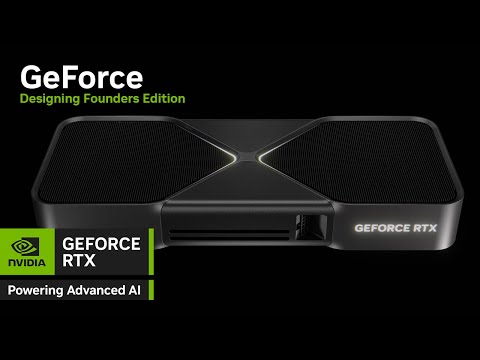
Built on Nvidia’s Blackwell architecture, the new GeForce RTX GPUs are designed to accelerate Gen AI content creation and boost creative performance, introducing innovative AI features for broadcasting and content creation applications.
Read More: Top Cybersecurity Tools Every SOC Analyst Must Know
Nvidia’s RTX 5090
The RTX 5090 features 32GB of GDDR7 memory and a total memory bandwidth of 1,792 GB/sec—a 77% boost over the RTX 4090. Equipped with three encoders and two decoders, it processes video data more efficiently, cutting export times by roughly one-third compared to its predecessor.
Nvidia Broadcast Features for Content Creators
Nvidia has enhanced its Broadcast app with two beta features: Studio Voice, which delivers studio-quality microphone audio, and Virtual Key Light, which optimizes lighting in video feeds. These features require an RTX 4080, 5080, or higher GPU.
PC World calls the GeForce RTX 5090 a “content creation powerhouse,” highlighting its performance for creative workflows. The RTX 5080 comes with 16GB of GDDR7 memory and 960 GB/sec of bandwidth—a 34% increase over the RTX 4080—and includes two encoders and two decoders for efficient video processing.

Nvidia RTX Series Boosts Video Processing
The latest RTX GPUs support 4:2:2 color sampling, allowing one 8K video stream at 75 FPS or nine 4K streams at 30 FPS per decoder. Featuring Nvidia’s ninth-generation encoder, they deliver a 5% improvement in HEVC and AV1 video quality.
A new AV1 Ultra Quality mode also achieves 5% better compression at the same visual quality as previous generations. Leading video editing software, including Blackmagic Design’s DaVinci Resolve and Wondershare’s Filmora, now integrates these advanced GPU features for enhanced creative workflows.
Broadcast Applications Receive Major Updates
The latest Nvidia Broadcast update enhances existing features for content creators. Background Noise Removal improves voice clarity, Eye Contact adds gaze stability and subtle eye movements for a natural look, and Virtual Background refines foreground-background separation, says Gerardo Delgado, Nvidia’s Director of Product Management.

The redesigned interface allows users to apply multiple effects simultaneously, with a side-by-side camera preview and GPU utilization meter. Developers can access these capabilities via Nvidia Maxine Windows SDKs or the Nvidia NIM microservice.
AI Processing Capabilities Make Major Strides
Nvidia’s fifth-generation Tensor Cores, optimized for AI calculations, now support FP4 precision, cutting memory use for AI models. This allows Black Forest Labs’ FLUX models to run on under 10GB of video memory, compared to 23GB with FP16.
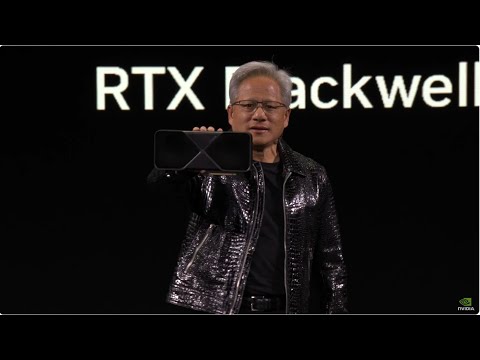
Creative Bloq highlights the GeForce RTX 5080 FE as a “powerhouse option for any creative professional.” Meanwhile, the RTX 5090 excels in 3D workflows, supporting multiple simultaneous projects, with fourth-generation RT Cores delivering 40% faster ray-tracing performance than previous models.
Streaming Platform Integration
Content creators on Twitch, YouTube, and Discord benefit from improved video encoding, delivering quality equivalent to a 5% bandwidth increase, measured via the BD-BR PSNR standard.
Nvidia’s DLSS 4 AI technology, which generates additional frames in real time, is now supported in D5 Render and Chaos Vantage, applications popular with architects and designers. The Multi Frame Generation feature can produce up to three frames per rendered frame.
Hot Hardware notes that the GeForce RTX 5090 remains unmatched in the consumer GPU market, excelling across AI, content creation, gaming, and virtually any workload.
Frequently Asked Questions
What are Nvidia’s latest AI features?
Nvidia’s newest GPUs, including the GeForce RTX 5090 and 5080, introduce advanced AI capabilities such as DLSS 4, fifth-generation Tensor Cores with FP4 precision, and AI-enhanced video encoding. These features accelerate content creation, gaming, and AI workloads.
How do these AI features benefit content creators?
Content creators can process multiple high-resolution video streams, run complex AI models, and improve live-streaming quality. Features like Studio Voice, Virtual Key Light, and Eye Contact enhance audio and video production for a professional finish.
Which industries are impacted by these AI advancements?
The tech, gaming, architecture, video production, and design industries benefit most. Nvidia’s AI features improve rendering speed, video quality, and real-time workflow efficiency, supporting applications like DaVinci Resolve, Filmora, D5 Render, and Chaos Vantage.
What makes the RTX 5090 stand out for AI and creative work?
The RTX 5090 combines 32GB of GDDR7 memory, enhanced Tensor and RT Cores, and advanced video encoding to handle AI workloads, 3D rendering, and high-resolution video simultaneously. It delivers unmatched performance across creative and technical tasks.
How does Nvidia support developers with these AI features?
Developers can access AI capabilities through Nvidia Maxine SDKs or the NIM microservice, integrating advanced video, audio, and AI processing into their applications for content creation, streaming, and AI-based workflows.
Will these features improve streaming quality?
Yes. Improved video encoding reduces bandwidth usage while maintaining high quality. DLSS 4 Multi Frame Generation generates additional frames in real-time, ensuring smoother streaming and enhanced visual fidelity on platforms like Twitch, YouTube, and Discord.
Are these features available on all Nvidia GPUs?
Some features, like advanced AI processing and Broadcast enhancements, require RTX 4080, 5080, or 5090 GPUs or higher to achieve optimal performance.
Conclusion
Nvidia’s latest AI-driven GPUs, including the GeForce RTX 5090 and 5080, are redefining the tech industry by delivering unmatched performance for AI workloads, content creation, and streaming applications. With advanced Tensor and RT Cores, improved video encoding, and AI-powered features like DLSS 4 and Broadcast enhancements, these GPUs empower creators, developers, and designers to work faster and more efficiently.
