
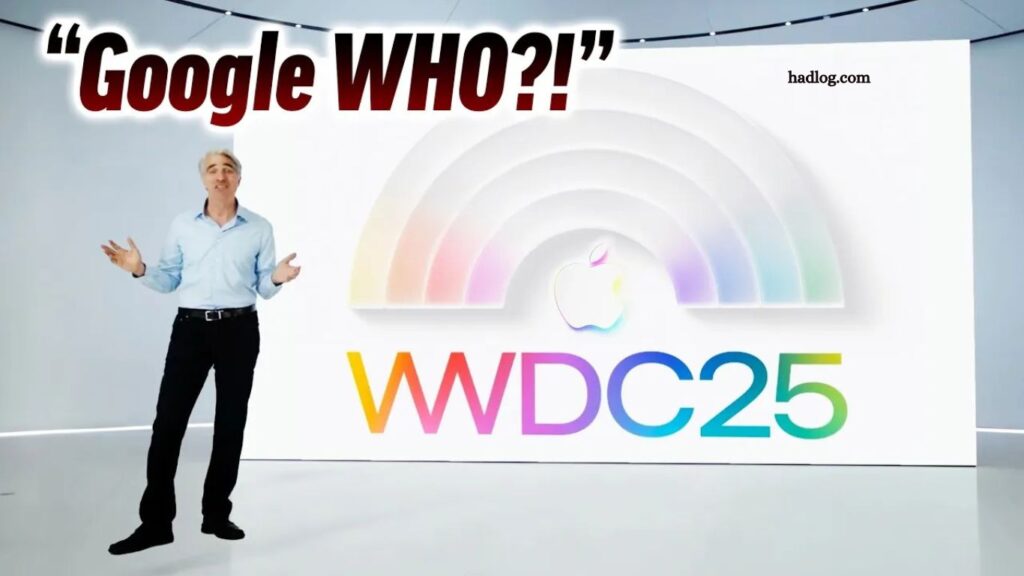
The tech world is buzzing as Apple and Google gear up for a high-stakes showdown in artificial intelligence and hardware innovation. Apple’s WWDC 2025 leaks hint at major updates to iOS 19, macOS 16, Vision OS 3, and AI-powered features, promising enhanced user experiences and smarter device interactions. Meanwhile, Google continues to dominate the AI landscape with its Gemini AI platform, offering real-time assistance, creative tools, and versatile applications that set a high benchmark for innovation.
As these two tech giants compete, the battle for AI leadership intensifies, influencing the future of productivity, creativity, and everyday technology. This article explores the latest leaks, updates, and AI advancements to see which company may emerge on top.
What to Expect from Apple at WWDC 2025
Apple’s WWDC 2025 is set to showcase major ecosystem updates with a strong focus on AI integration, emphasizing enhanced user experience and innovation. Key highlights include:
- iOS 19 Redesign: A modern, glass-like interface is rumored to revamp the iPhone experience. AI-driven battery optimization could also extend the iPhone 17 Air’s lifespan.
- macOS 16 Enhancements: Seamless Wi-Fi syncing across devices promises smoother connectivity and effortless transitions between Apple products.
- Vision OS 3: Advanced eye-tracking in Apple’s AR/VR platform may enable hands-free navigation, boosting accessibility in immersive environments.
- AI-Powered Features: Possible additions include live conversation translation via AirPods and broader third-party access to Apple’s AI models, unlocking new app possibilities.
These updates reflect Apple’s push to embed AI into daily tasks, enhancing convenience and functionality. Yet, the bigger question is whether these innovations will keep Apple ahead of rivals like Google, which continues to advance rapidly in AI.
Read More: 7 Instagram Editing Tips: Master the New Video Editing App
Google’s AI Momentum and Competitive Edge
Google is solidifying its position as a leader in AI with the Gemini AI platform, setting new benchmarks in functionality and user experience. At its recent I/O event, Google showcased innovations that are reshaping the tech landscape:
- Gemini AI Features: Real-time tools like live screen sharing and camera-based support boost productivity and simplify daily tasks.
- AI Ultra Subscription: Advanced capabilities—including video generation, realistic dialogue, and AI-driven music creation—serve both professionals and hobbyists.
- Android XR Glasses: These AI-powered glasses offer live translation, turn-by-turn navigation, and text display, emphasizing practical, real-world applications.
By delivering versatile, user-friendly AI solutions, Google raises the bar for competitors and positions itself as a formidable challenger to Apple in the AI race.
Apple’s Challenges Amid Rising Competition
Despite ambitious plans, Apple faces hurdles in maintaining its edge. Google’s rapid AI advancements, particularly in real-time assistance and creative tools, highlight gaps in Apple’s offerings—Siri, for instance, has only seen incremental improvements compared with Gemini AI’s versatility.
Competitive pressure is intensifying with OpenAI’s acquisition of an AI hardware company founded by ex-Apple designer Jony Ive, potentially introducing a new contender in AI hardware.
Rumors also suggest Apple may integrate Google’s Gemini AI into Safari and other products. While this could enhance Apple’s ecosystem, it raises questions about whether the company is yielding ground to Google, signaling the challenges Apple faces in asserting leadership in AI innovation.
Concerns Over Apple’s AI Strategy
Apple’s cautious AI approach raises questions about its ability to keep pace with competitors. While prioritizing privacy and user experience, slower AI rollouts could affect its reputation as a tech leader. Some advanced features are rumored to be delayed until 2026, casting doubt on its long-term strategy.
Limited Siri improvements highlighted at WWDC emphasize these gaps. With Google rapidly expanding its AI capabilities, Apple must act decisively to stay competitive in the evolving tech landscape.
The Battle for AI Leadership
The rivalry between Apple and Google is shaping the future of AI and hardware, influencing how we use technology for creativity and productivity.
WWDC 2025 offers Apple a key chance to challenge Google’s Gemini AI and showcase its innovations. Whether Apple can reclaim AI leadership or Google’s momentum continues remains uncertain. The choices these tech giants make now will define the next chapter of technology, shaping the tools and experiences that drive innovation for years to come.
Frequently Asked Questions
What can we expect from Apple at WWDC 2025?
Apple is rumored to unveil iOS 19, macOS 16 updates, Vision OS 3, and new AI-powered features.
How is Apple integrating AI into its devices?
Apple is focusing on AI-driven battery optimization, live translation via AirPods, and expanding developer access to AI models.
What is Google’s Gemini AI platform?
Gemini AI is Google’s advanced AI platform offering real-time assistance, creative tools, and enhanced productivity features.
How do Google’s AI innovations compare to Apple’s?
Google leads in real-time AI functionality, creative applications, and versatile tools, while Apple emphasizes privacy and ecosystem integration.
Are there any collaborations between Apple and Google AI?
Rumors suggest Apple may integrate Google’s Gemini AI into Safari and other products to enhance its ecosystem.
What challenges does Apple face in the AI race?
Apple faces slow AI rollouts, limited Siri improvements, and growing competition from Google and emerging AI hardware players.
Why is the Apple vs Google rivalry important?
Their competition shapes the future of AI and hardware, influencing user experiences, productivity tools, and tech innovation for years.
Conclusion
The Apple vs Google rivalry is redefining the AI and tech landscape. WWDC 2025 will be a critical test for Apple to showcase innovation and compete with Google’s Gemini AI. While Apple focuses on privacy, user experience, and ecosystem integration, Google continues to push the boundaries of real-time AI functionality and creative tools. The coming years will determine which company leads the AI revolution, shaping the future of technology, productivity, and everyday digital experiences.
