
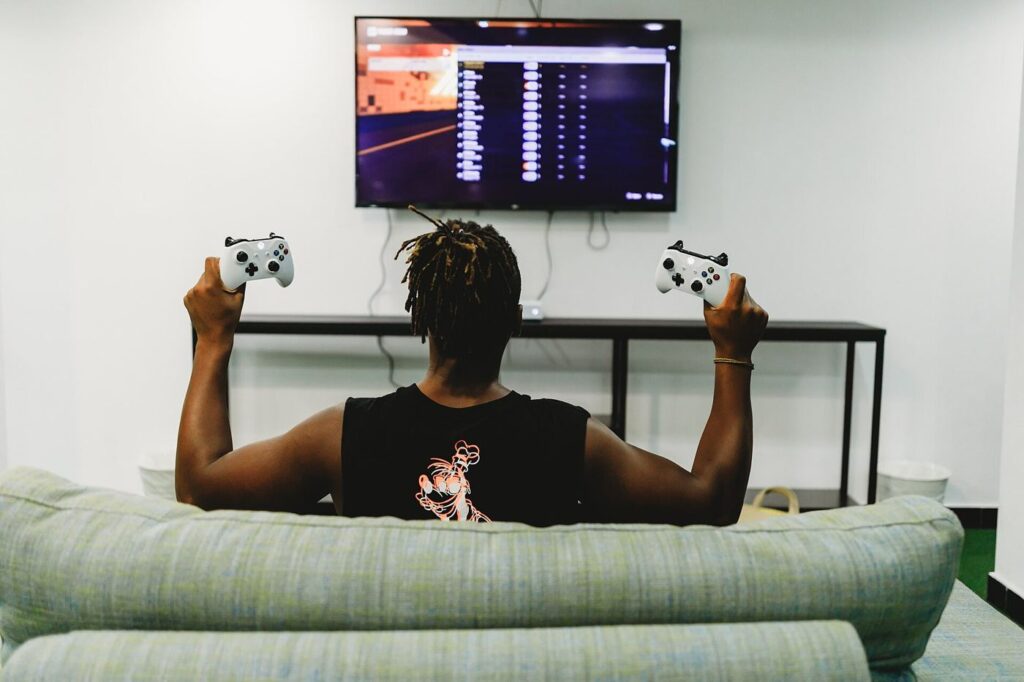
Handheld game consoles have been around since the 1980s, but the latest generation is something different: devices powerful enough to run the same big games as a home console, in a machine that fits in a bag. Players can start a game on the sofa, pause it, and carry on on a train or in a park, with the game exactly where they left it. The new handhelds pair bright, sharp screens with full-size controls, including thumbsticks, triggers and buttons arranged for long sessions. Some run games made specially for them, while others run the huge libraries of PC games, turning the device into a portable computer with a controller attached. Battery life remains the main compromise, since powerful chips drain a small battery quickly, but for many players the freedom to play anywhere is worth charging more often. The screens have grown sharper and brighter, making small text readable and colours vivid even in sunlight.
What the Evidence Shows
The market has split into two camps. Dedicated handhelds offer a polished experience, with games tuned for the hardware and a simple interface that just works when the device is switched on. PC handhelds offer freedom, letting owners install games from any store, add mods and even use the device as a small desktop computer with a dock. Both approaches have found an audience, and sales have grown as the hardware has improved and prices have fallen. Developers have responded by adding handheld-friendly options to their games, such as interfaces that scale to smaller screens and settings that stretch battery life. The devices are not for everyone: the screens are small, the machines are heavier than a phone, and the best experience still needs a good pair of headphones. For players who travel or share a television, though, they have changed where games can be played. Reporting and analysis from sources such as Wired track the same developments, and specialists following the handheld consoles carrying big games on the road say the direction is now consistent across independent lines of evidence.
The Wider Context
The wider context is an industry learning to ship capability and restraint together. Products built around the handheld consoles carrying big games on the road now launch with safety evaluations, usage data and rollback plans as standard, because enterprise buyers and regulators ask for them in the first meeting. Companies that treated those questions as friction are discovering they have become the purchase criteria.
What Happens Next
What happens next for the handheld consoles carrying big games on the road depends less on another breakthrough than on the unglamorous work of reliability, pricing and support. The buyers evaluating it now are not enthusiasts; they are operators with budgets and auditors, and their checklists will decide the timeline. On the evidence of the current pilots, the technology has earned the right to be judged by them. You can follow related developments in our coverage of technology.
None of this will be settled by a single announcement, study or product launch. The pattern to watch is accumulation: independent confirmations, honest reporting of failures and steady improvement in the underlying numbers. Readers who follow those signals, rather than the loudest claim of the week, will understand this subject better than most of the commentary surrounding it suggests is possible.
