
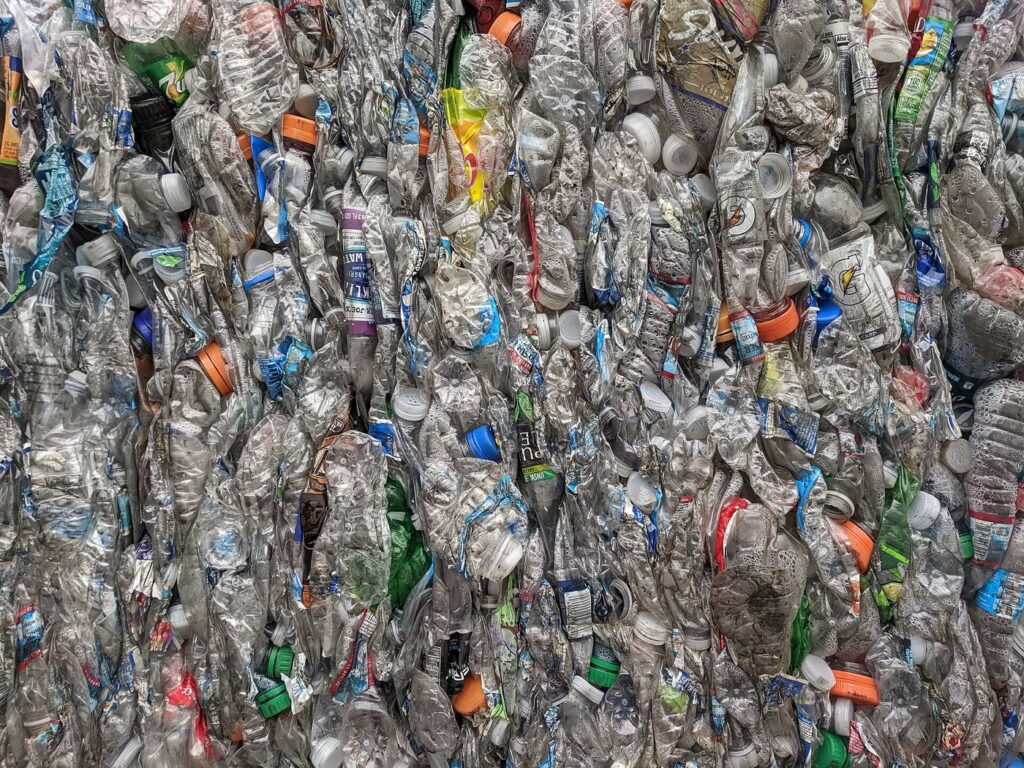
Plastic waste is piling up in landfills and oceans because most of it is difficult to recycle. Bottles and packaging are often made of mixed materials, and the usual recycling process melts them down into lower-quality plastic that can only be used once or twice more. Enzymes offer a different route. Scientists have found bacteria that produce enzymes able to break the bonds in plastic, chopping a bottle back into its original chemical building blocks. Those blocks can then be rebuilt into new plastic of the same quality, again and again. The discovery began with a bacterium found in a Japanese recycling plant, and researchers have since engineered faster versions of the enzyme in the laboratory. The original bacterium was found in a recycling plant in Japan, living on the plastic bottles that surrounded it and slowly breaking them down. Researchers realised that the microbe had evolved the trick in just a few decades, an astonishingly fast adaptation to a material that did not exist a century ago.
What the Evidence Shows
The process is still expensive and slow compared with making new plastic from oil, and it works best on one type of plastic, the kind used in drinks bottles. Companies are building pilot plants to test whether the enzymes can work at industrial scale, and researchers are searching for enzymes that can handle the tougher plastics used in packaging and textiles. Critics warn that better recycling must not become an excuse to keep producing single-use plastic, and that reducing use matters more than any new technology. Supporters say the enzymes could still transform the economics of recycling, turning waste that is now worthless into a raw material worth collecting. Scaling up is the hard part, since the enzymes must work quickly in large tanks full of shredded plastic, and the process must be cheap enough to compete with new plastic made from oil. Engineers are testing ways to reuse the enzymes many times, so that a single batch can process tonne after tonne. Reporting and analysis from sources such as NASA track the same developments, and specialists following the plastic-digesting enzymes say the direction is now consistent across independent lines of evidence.
The Wider Context
Funding bodies are watching the plastic-digesting enzymes closely because the work sits at the junction of basic curiosity and practical return. Grant panels increasingly ask for a path from discovery to application, while researchers push back that the most valuable uses of fundamental science are rarely the ones written into the original proposal. The tension is productive when both sides stay honest about timescales.
What Happens Next
The long view on the plastic-digesting enzymes is that fields advance by accumulation rather than by single announcements. This result adds a solid, checkable piece to a structure many teams are building, and its authors have shared their data so the piece can be tested from every side. That is how the picture eventually becomes reliable enough to act on. You can follow related developments in our coverage of science.
It is also worth remembering how quickly the picture in this area has changed before. Positions that looked settled a few years ago have been revised as new data arrived, and the same humility is appropriate now. The strongest coverage of this subject, and the most useful advice, tends to come from sources that update their views openly when the facts move, rather than defending an earlier position long after it has stopped fitting the evidence available.
