
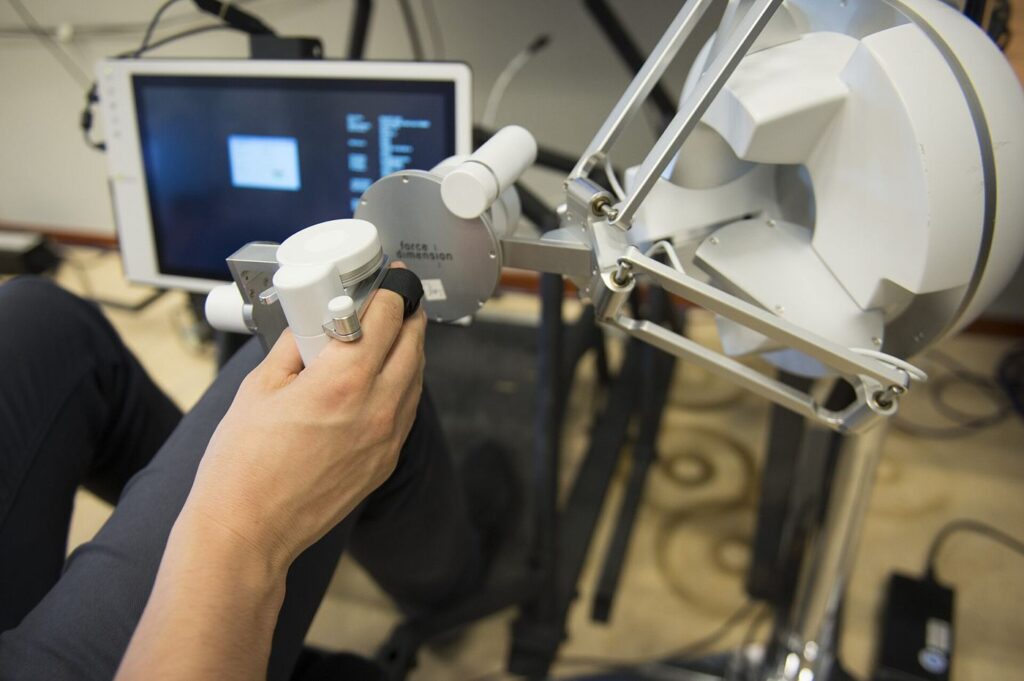
An artificial intelligence system that designs robot grippers from a simple text description was demonstrated by Siemens and AGIBOT at the Formnext 2026 trade fair in Frankfurt on 21 November. The system uses the Model Context Protocol to orchestrate engineering tools, selecting a gripper type, adapting its geometry, simulating how it will handle objects and preparing the design for 3D printing, all without human intervention. The workflow, launched with partners EOS and AM Solutions, is the first phase of Siemens’ Industrial AI strategy and forms what the company calls an end-to-end Digital Thread for additive manufacturing. A visitor can describe the gripper they need in words and receive a printable design.
What the Evidence Shows
The demonstration matters because designing a robot gripper is normally slow, skilled work that combines mechanical engineering with trial and error. Automating it could let factories adapt robots to new products in hours instead of weeks, which is valuable as production runs get shorter and more varied. The system was shown designing grippers for humanoid robots, a growing market as companies put two-legged machines into warehouses. Siemens says the same approach could spread to other parts, turning text prompts into finished engineering designs. The next test is whether factories trust AI-designed parts enough to print them and put them to work. Reporting and analysis from sources such as Wired track the same developments, and specialists following the Siemens AGIBOT gripper design system say the direction is now consistent across independent lines of evidence.
The Wider Context
The wider context is an industry learning to ship capability and restraint together. Products built around the Siemens AGIBOT gripper design system now launch with safety evaluations, usage data and rollback plans as standard, because enterprise buyers and regulators ask for them in the first meeting. Companies that treated those questions as friction are discovering they have become the purchase criteria.
What Happens Next
What happens next for the Siemens AGIBOT gripper design system depends less on another breakthrough than on the unglamorous work of reliability, pricing and support. The buyers evaluating it now are not enthusiasts; they are operators with budgets and auditors, and their checklists will decide the timeline. On the evidence of the current pilots, the technology has earned the right to be judged by them. You can follow related developments in our coverage of technology.
None of this will be settled by a single announcement, study or product launch. The pattern to watch is accumulation: independent confirmations, honest reporting of failures and steady improvement in the underlying numbers. Readers who follow those signals, rather than the loudest claim of the week, will understand this subject better than most of the commentary surrounding it suggests is possible.
There is a practical lesson in all of this for readers deciding what to do today. Start with the verified facts, be wary of anyone promising certainty, and prefer reversible steps while the evidence is still developing. Circumstances differ by country, income and personal situation, so general guidance should always be weighed against your own context before you act on it in any significant or lasting way.
