
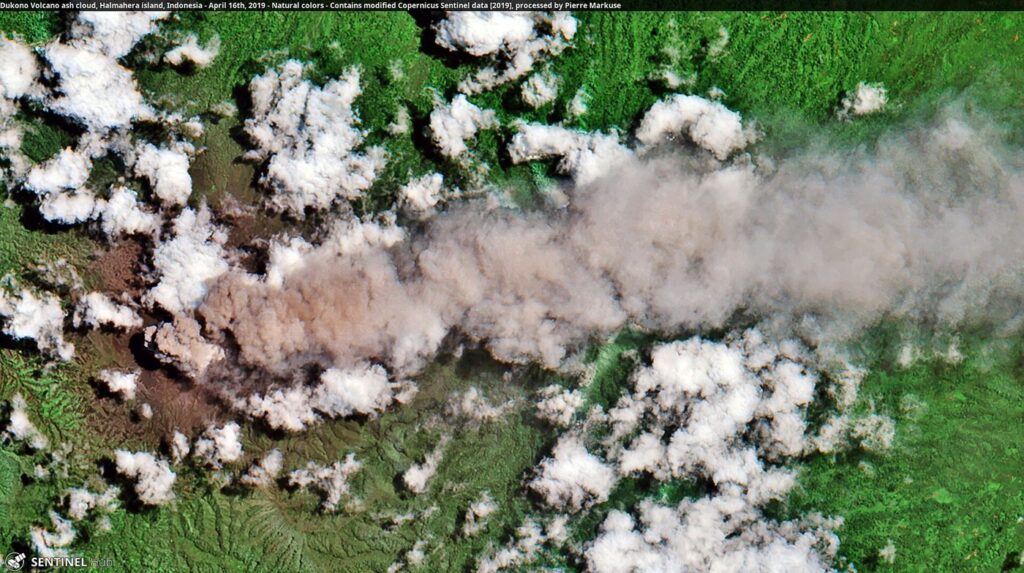
A fresh volcanic island looks like the end of the world: black ash, bare lava and shores too hot and unstable for almost anything to live on. Yet ecologists who study such places describe recovery beginning surprisingly early. Wind and waves deliver seeds, insects and birds; seabirds bring nutrients in droppings; and hardy plants root in ash that, weathered over seasons, can become fertile soil. Pioneering species stabilise the surface and shade the ground, making it possible for later arrivals to survive. Each new eruption, and each new island built by one, becomes a natural experiment in how life assembles an ecosystem from almost nothing, watched closely by research teams. New islands are protected quickly where possible, precisely because their untouched recovery is scientifically priceless and easily damaged by introduced species arriving with careless visitors.
What the Evidence Shows
The sequence matters because islands are home to species found nowhere else, and understanding recovery helps conservation after eruptions displace them. Scientists map which plants arrive first, how soil deepens and when pollinators and nesting birds establish, comparing islands of different ages like frames in a film. Volcanic soils, once matured, often support rich farming, which is one reason people return to slopes that remain hazardous. That tension between fertility and danger defines life on volcanic islands worldwide. Researchers say the lesson of returning life is not that eruptions are harmless, but that ecosystems are opportunistic. Given time and a route for species to arrive, even ash fields can turn green. Each surveyed island adds a chapter to that story, helping scientists predict recovery elsewhere and identify the moments when protection or intervention matters most. Reporting and analysis from sources such as Nature track the same developments, and specialists following ecological recovery on volcanic islands say the direction is now consistent across independent lines of evidence.
The Wider Context
The wider context is a research landscape in which replication and open data now decide reputations. Findings connected to ecological recovery on volcanic islands are being checked by independent groups with shared datasets, and the teams involved publish their methods in full so rivals can test every step. That discipline is slower than a headline cycle, but it is why results in this area increasingly survive first contact with scrutiny.
What Happens Next
What happens next in the story of ecological recovery on volcanic islands will be decided by follow-up work already under way: larger samples, longer observation and instruments that have not yet come online. The researchers involved are unusually united on one point, that the current results justify the next investment of time and money. Readers will not have to wait long for the first tests of that claim. You can follow related developments in our coverage of science.
None of this will be settled by a single announcement, study or product launch. The pattern to watch is accumulation: independent confirmations, honest reporting of failures and steady improvement in the underlying numbers. Readers who follow those signals, rather than the loudest claim of the week, will understand this subject better than most of the commentary surrounding it suggests is possible.
