
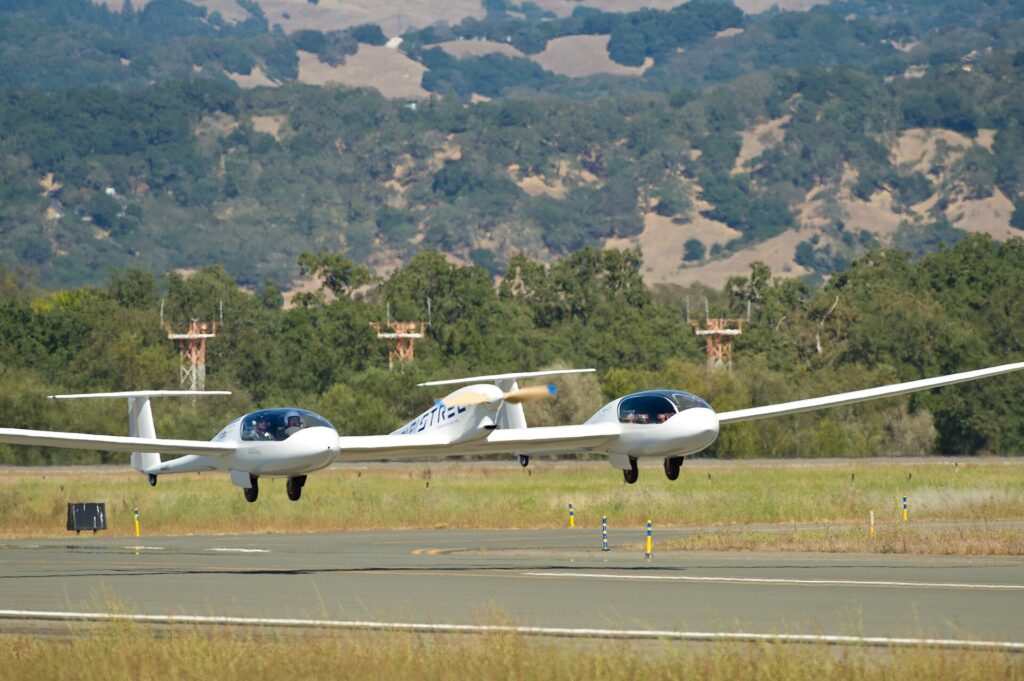
Electric flight has an image problem: people picture a jumbo jet and a battery the size of a building, and conclude the idea is absurd. The companies actually building electric aircraft are aiming somewhere quite different. Their target is the shortest routes in aviation, hops of a few hundred kilometres between regional airports, training flights that circle the same airfield all day, and island services where the alternative is a long ferry ride. On those missions, batteries stop being a punchline. They offer quiet operation, dramatically cheaper energy, and motors with a fraction of the moving parts of a piston or turbine engine.
The physics explains both the promise and the limit. Batteries store far less energy per kilogram than jet fuel, and unlike fuel they do not burn off, so an aircraft lands as heavy as it took off. That confines practical electric aircraft, for now, to small passenger counts and short ranges, a conclusion research by agencies such as NASA reaches as well. But within that envelope the economics can be startling. Electricity costs a fraction of aviation fuel per kilometre, electric motors need little maintenance, and the aircraft are quiet enough to use small airfields close to city centres at hours when noise rules currently ground conventional planes, a combination gadget-watchers at our gadget coverage have followed with interest.
Why Short Routes Suit Batteries
The aircraft taking shape fall into several families. Simplest are the trainers: two-seat electric planes already approved in some countries, flying the short, repetitive lessons that make up most pilot training, and cutting the cost of producing new pilots. Next come commuter designs carrying around nine to thirty passengers on regional routes, some of them conversions of proven airframes and others clean-sheet designs with motors distributed along the wing. Furthest out are the electric vertical take-off aircraft, air taxis in the popular telling, whose developers are furthest advanced in certification but whose business case remains the most debated of the three.
Regional airlines are paying attention for a hard-headed reason: many short routes are marginal or loss-making with conventional aircraft, because fuel and maintenance dominate costs on short sectors and jets are at their least efficient climbing and descending. A cheaper-to-run aircraft reopens routes abandoned over the past thirty years, reconnecting smaller communities to hub airports.
The Aircraft Now Being Prepared
Certification is where optimism meets process. Aviation regulators, understandably, treat a new propulsion system with caution, and batteries raise questions piston engines never posed: how a pack behaves after thousands of cycles, in a crash, in a fire, at altitude in extreme cold. Manufacturers must prove reserves of energy for diversions and holding patterns, which eats into usable range. The approval of the first electric trainers showed the pathway works, but each larger category restarts much of the argument at higher stakes, and timelines in this industry have a history of slipping politely to the right.
Infrastructure waits on the ground. A regional airport handling electric aircraft needs serious charging capacity, which often means grid upgrades that take longer than building the planes, plus new procedures for swapping or fast-charging packs between services. None of these are reasons the transition fails, but they are reasons it will proceed airport by airport rather than all at once.
What Must Happen Before Passengers Board
The environmental case, finally, depends on the electricity. An electric aircraft charged from a coal-heavy grid moves emissions rather than eliminating them, though even then, electric motors are efficient enough to compare favourably. Charged from wind, solar or hydro, the same flight approaches genuinely clean transport, something no kerosene aircraft can claim. For short routes, where the realistic alternative is often a long drive, the comparison is stronger still. Short-haul aviation has long been criticised as the least defensible flying; electric propulsion is the first technology that answers the criticism on the routes where it is loudest.
Passengers should not expect to board an electric airliner on a trunk route this decade, and developers who promise otherwise deserve scepticism. But on a training flight, an island hop or a regional service between small cities, the first regular electric operations are close enough to plan around. Aviation changes slowly and then suddenly, usually starting at its smallest scale. Keep an eye on the Gadgets section: the revolution, when it taxis out, will be a small, quiet aircraft on a short route.
